Privacy Architecture
Confidentiality Obligations as an Architectural Constraint on AI Assistant Selection
Confidentiality duties constrain AI tool selection, not vendor promises alone.
Marcus Leu
· 8 min read
Confidentiality duties constrain AI tool selection, not vendor promises alone.
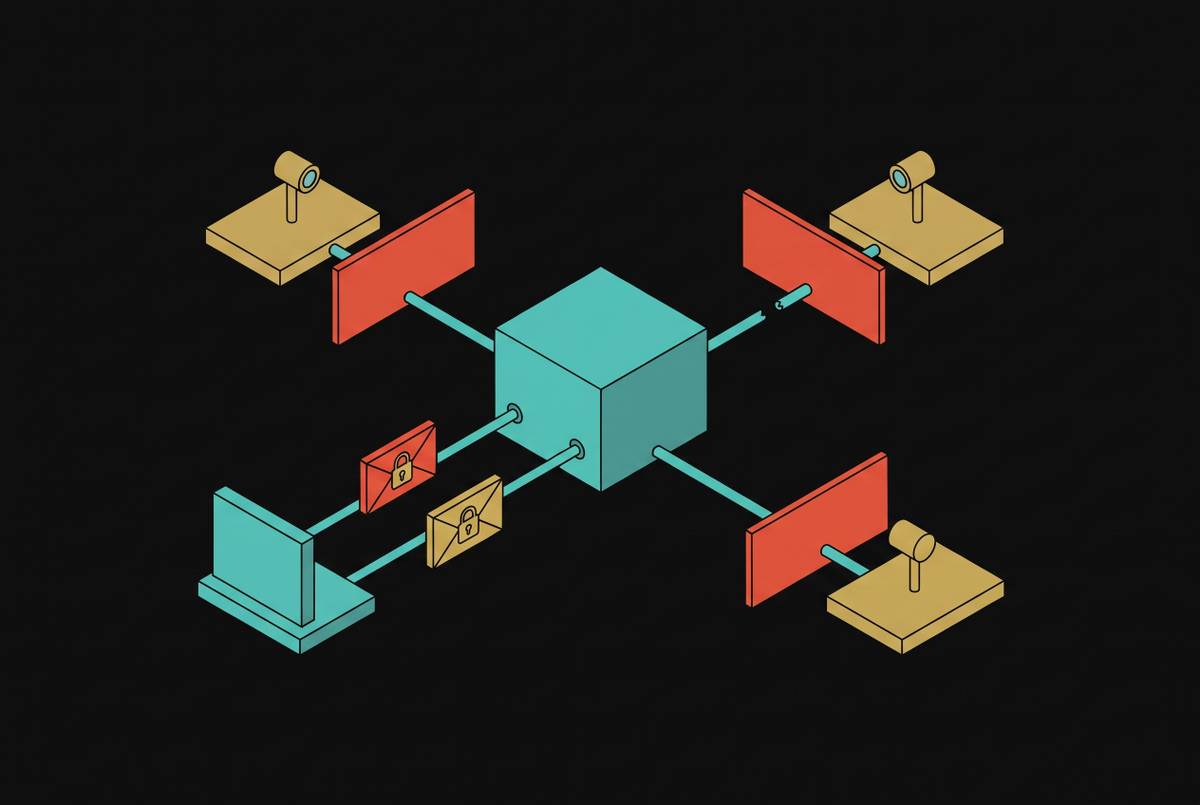
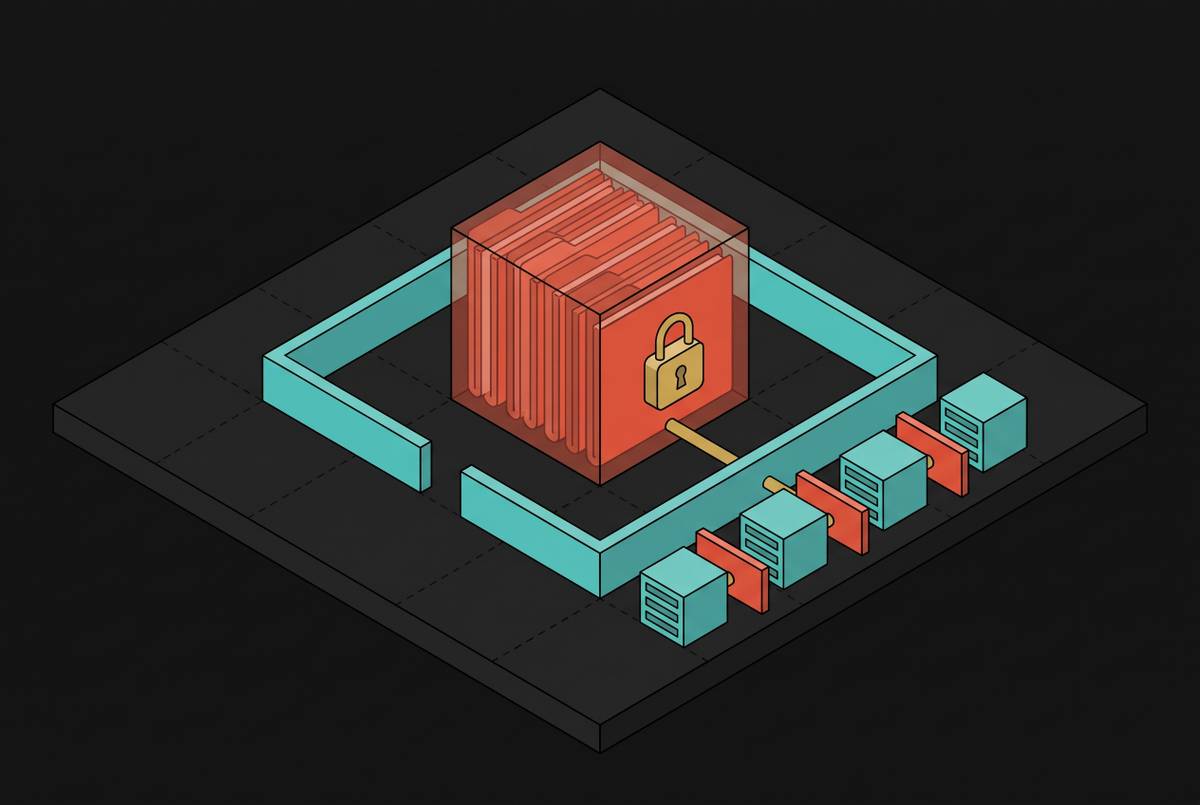
Hardware-enforced confidentiality keeps enterprise prompts private from cloud operators and routers.
National enforcement gaps and supply chain opacity limit how much regulators can verify.
On-premise tools and enterprise contracts keep confidential work safe from third-party access.
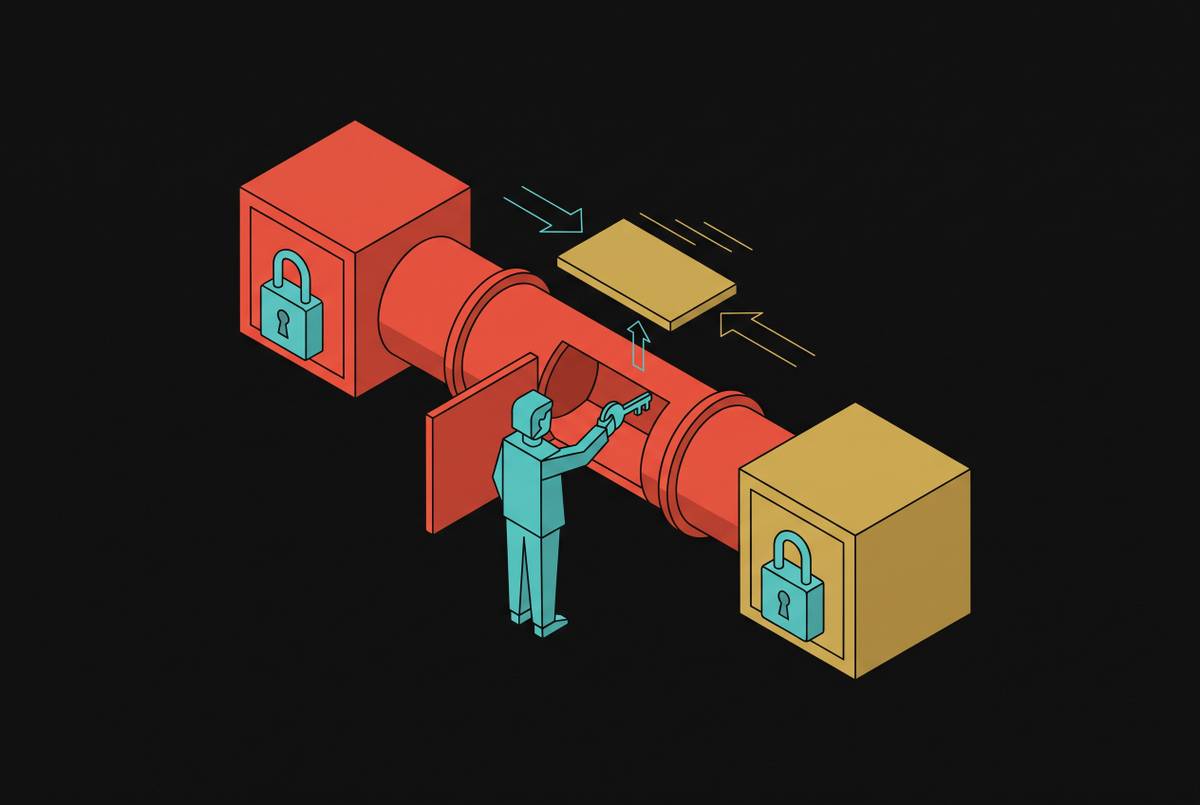
Hardware-enforced isolation protects sensitive data during computation when encryption alone cannot.
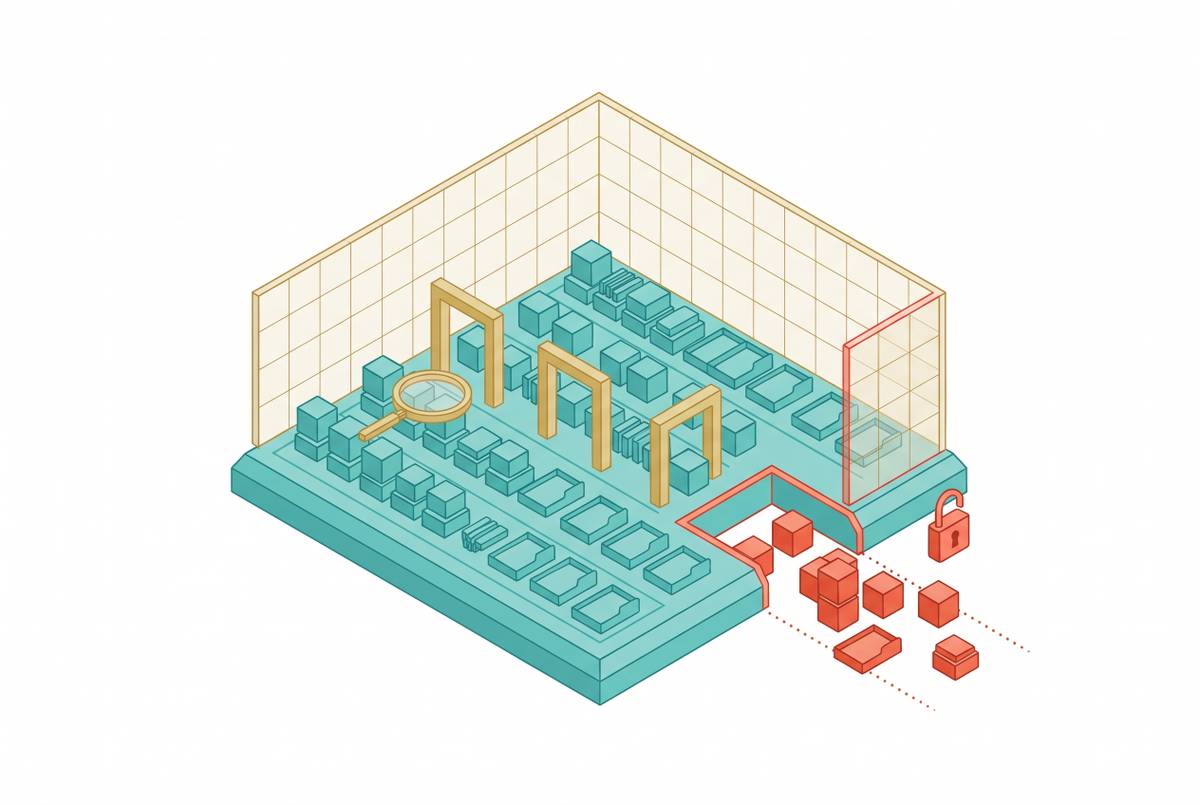
Keeping AI processing local prevents sensitive data from reaching vendor servers.
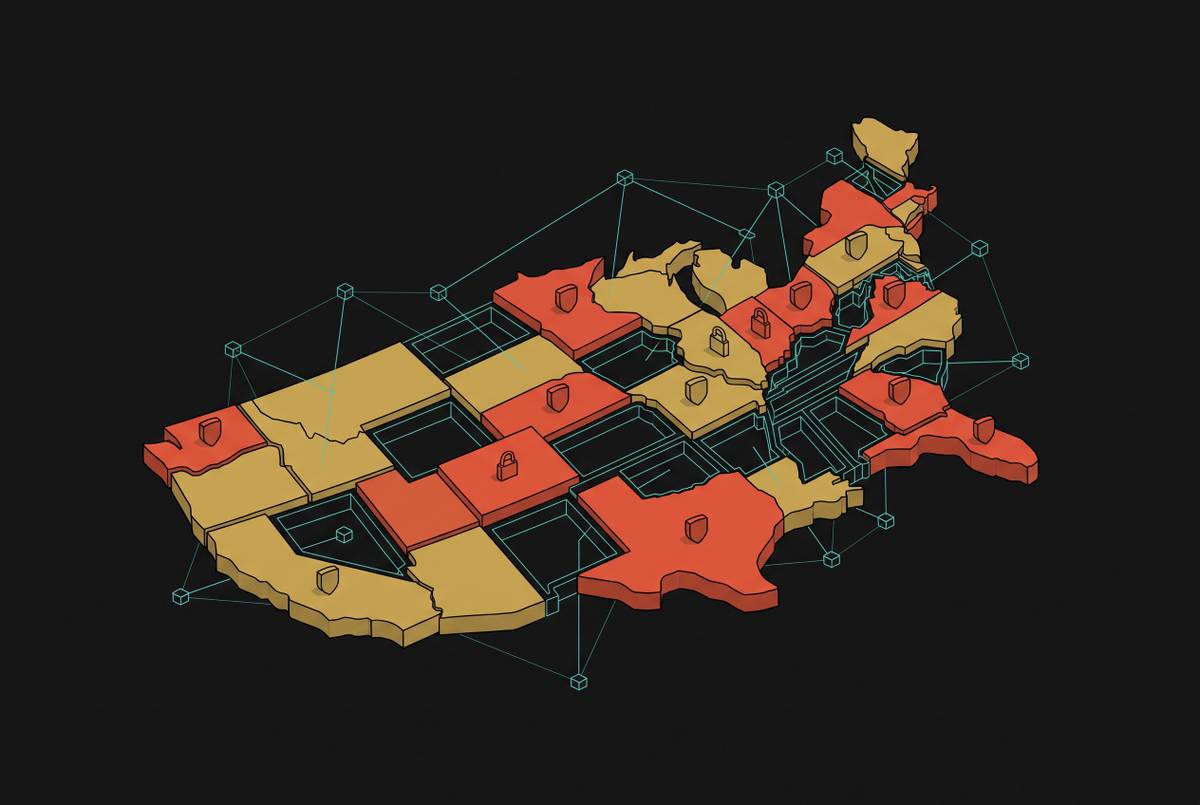
Most state AI laws target specific uses while missing broad algorithmic profiling.
Congressional gridlock leaves states to set AI privacy rules.
GDPR's legal framework crumbles when personal data scales into AI model weights.
Unilateral terms and dark patterns let AI providers claim consent while users lack genuine choice.
Researchers say real AI privacy rules must target inference-stage attacks, not just data collection.
Warrants for AI data remain legally unsettled and inconsistently enforced.